
The Northern Garden Journal · Vegetable Growing
When to Plant Vegetables in Minnesota: A Month-by-Month Calendar
Knowing when to plant vegetables in Minnesota is mostly knowing two dates: your last spring frost and your first fall frost. Everything else is counting forward or backward from those. This calendar is built for zones 3b–4a, where the last spring frost usually lands between mid-May and the end of May, and the first fall frost arrives from late September into early October.
That gives most of us roughly 120–140 frost-free days. It's a short season, but it's plenty — if each crop goes in during its window instead of all at once on the first warm weekend.
Start With Your Frost Dates, Not the Calendar
Calendar dates are averages. Your garden has its own microclimate: a low spot collects cold air and frosts earlier, a south-facing wall buys you a week, and raised beds warm up faster than in-ground rows in spring.
- Find your average last frost for your town, then treat it as the middle of a two-week window, not a guarantee. A late frost after a warm spell is normal here, not bad luck.
- Watch soil temperature, not just air temperature. Peas and spinach germinate in cold soil; beans and squash seed rots in it. A cheap soil thermometer settles arguments the forecast can't.
- Keep row cover handy through early June. One cold night shouldn't cost you a planting.
April: The Cold-Hardy Start
April is for crops that shrug at frost — and for patience with everything else.
- As soon as the soil can be worked: plant peas, spinach, and broad beans outdoors. These germinate in soil as cold as 40°F and taste better for a cool start.
- Mid-to-late April: sow lettuce, radishes, and onion sets. Transplant onions and leeks started indoors.
- Indoors: tomatoes and peppers should already be growing under lights (started late February to March). Start cucumbers and squash indoors late in the month only if you have room — they resent transplanting and catch up fast from direct seed.
May: The Main Event, in Two Waves
May is where Minnesota gardens are made — and where the classic mistake happens: planting everything on the first 70-degree day.
First wave (early to mid-May, before last frost):
- Transplant cold-hardy brassicas — cabbage, broccoli, cauliflower, kale — hardened off properly. They handle light frost and grow best in cool weather.
- Direct-sow carrots, beets, chard, and more lettuce. Sow carrots in short rows every two weeks for a steady supply instead of one glut.
Second wave (after last frost, soil at 60°F or warmer):
- Transplant tomatoes and peppers. If nights are still dipping into the 40s, wait — a chilled tomato sulks for weeks.
- Direct-sow beans, sweet corn, cucumbers, and squash. Warm soil means fast germination and less seed lost to rot.
May Planting Checklist
- Frost date window marked on the calendar — and a plan B (row cover, buckets) if a late frost threatens
- Brassicas hardened off for 7–14 days before transplanting
- Carrots and lettuce on a two-week succession schedule, not one big sowing
- Tomatoes and peppers held until nights stay reliably above 45–50°F
- Bean, corn, cucumber, and squash seed in only after the soil warms
June: Fill the Gaps
June is succession and second chances. Replant anything the frost, the cutworms, or the rabbits took. Sow another round of beans and lettuce (switch lettuce to heat-tolerant varieties and a shadier spot). This is also the last sensible window for transplanting peppers and eggplant and for getting winter squash in — it needs every warm day it can get.
Herbs that want heat — basil above all — go out now, not in May. Basil blackens below 50°F, and Minnesota May nights punish it most years.
July: Think About Fall Already
July feels like pure summer, but it's when fall crops are decided. By mid-to-late July:
- Sow fall carrots and beets — they sweeten in cool fall weather and store well.
- Start fall brassicas (kale, cabbage, broccoli) for transplanting in August.
- Keep succession-sowing lettuce, radishes, and bush beans until about ten weeks before your first fall frost, then stop — later sowings won't size up in time.
Watering matters more than planting now: new seedbeds in July dry out fast, so mulch and keep them evenly moist until germination.
August: The Fall Garden Goes In
August plantings are the ones that make northern gardeners look clever in October.
- Transplant fall brassicas early in the month.
- Direct-sow spinach, lettuce, radishes, and Asian greens — they germinate as nights cool and grow fast.
- Sow peas early in August for a fall crop in milder pockets of zone 4; in zone 3b it's a gamble, and the seed is cheap enough that the gamble is often worth it.
Count backward from your first fall frost: a crop that needs 45 days sown in mid-August finishes right at frost — and the hardy ones keep going weeks past it under row cover.
September: Harvest, Extend, and Put Garlic In
September is harvest first, but two plantings still matter:
- Garlic goes in from late September into October — cloves planted point-up, mulched heavy after the ground cools, for harvest next July.
- Spinach and lettuce sown early in the month will feed you into October, and spinach sown now often overwinters under mulch for the earliest spring greens you own.
Everything tender — tomatoes, peppers, beans, squash — should be picked ahead of the first hard frost warning. Green tomatoes ripen fine indoors in a box with a banana or an apple; frosted ones don't.
The One Rule Under All of This
Plant in waves, keyed to frost and soil temperature, and write down what you planted and when. A planting calendar you adjust from your own notes each winter beats any printed chart — including this one — because after two or three seasons it stops being Minnesota's calendar and becomes your garden's.
Want a planner for the squares? The free Garden Planner works in your browser, and Short-Season Vegetable Gardening covers the timing in more depth.
From Tim’s bookshelf
Go deeper with a book
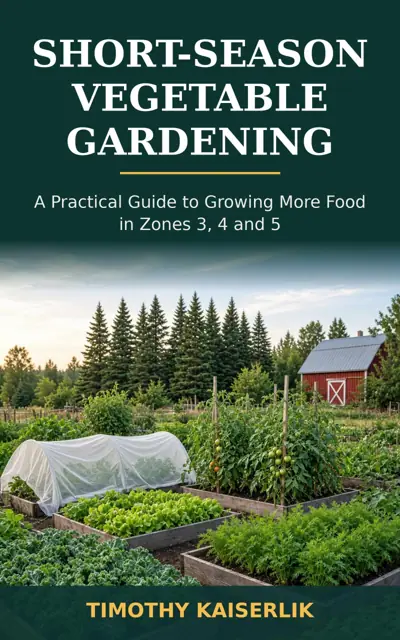
Short-Season Vegetable Gardening
A Practical Guide to Growing More Food in Zones 3, 4 and 5
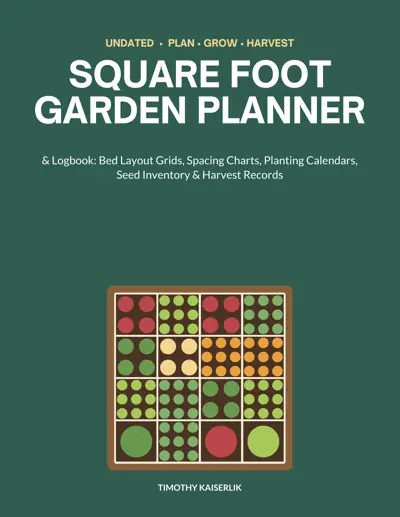
Square Foot Garden Planner & Logbook
An Undated Vegetable Garden Journal with Bed Layout Grids, Spacing Charts, Planting Calendars, Seed Inventory & Harvest Records
Houseplants Through a Northern Winter
Keeping Indoor Plants Healthy from First Frost to Spring Thaw
Further reading
The Year-Round Vegetable Gardener (opens in a new tab) by Niki Jabbour
Season extension, succession planting, and cold-weather crops from a Nova Scotia gardener — a strong fit for short northern seasons.
More like this
Gift Guide
The Zone Garden Encyclopedia, Book 1: A Must-Have Christmas Gift for Northern Gardeners
Why a USDA zone number is not a climate, and why The Zone Garden Encyclopedia, Book 1, is a must-have Christmas gift for zone 3–4 gardeners.
Seed Starting
Starting Seeds Indoors for a Short Northern Season: Timing, Lights, and Hardening Off
Learn when to start seeds indoors in Minnesota, how to set up grow lights, and how to harden off seedlings so they thrive in a short northern season.
Vegetable Growing
The Best Vegetables for Minnesota Gardens: Cold-Hardy Picks That Actually Produce
The best vegetables for Minnesota gardens: cold-hardy varieties that produce in zone 3b–4a, plus a simple succession planting plan for harvests all season.
Free printable
Get the free Christmas word search
Print a sample of our holiday word search puzzles for family game night, the classroom, or a quiet evening with coffee. Big, easy-to-read puzzles.
Free download, no purchase needed. The checkout page may ask for an email address to deliver the file.