
The Northern Garden Journal · Seed Starting
Starting Seeds Indoors for a Short Northern Season: Timing, Lights, and Hardening Off
If you garden in northern Minnesota, starting seeds indoors is not optional — it is how you buy back the weeks our short season takes away. This guide walks zone 3b–4a gardeners through exactly when to sow each crop, how to give seedlings enough light, and how to harden them off so transplant day is a beginning, not a setback.
Our average last frost around Pine City falls in mid-to-late May, and the first fall frost can arrive by late September. That leaves roughly 130 frost-free days — plenty for most vegetables, but only if heat-lovers like tomatoes and peppers get a six-to-ten-week head start inside.
Start With Your Last Frost Date, Then Count Backwards
Every seed-starting schedule hangs off one number: your average last frost date. For most of east-central Minnesota, plan around May 15–20, and keep row cover handy for a late cold snap even after that.
Count backwards from that date using the lead times on the seed packet. The most common mistake is starting too early. A tomato sown in February is a leggy, root-bound problem by May. A tomato sown at the right time is stocky, dark green, and ready to work.
Seed-Starting Checklist: When to Sow Indoors
Count back from a May 15–20 last frost:
- 10–12 weeks before (early to mid-March): onions, leeks, celery
- 8–10 weeks before (mid-to-late March): peppers — they are slow, and patience here pays off all summer
- 6–8 weeks before (late March to early April): tomatoes, eggplant
- 4–6 weeks before (mid-to-late April): broccoli, cabbage, cauliflower, kale, head lettuce
- 3–4 weeks before (late April): cucumbers, squash, melons — or simply direct-sow these after the soil warms; they resent transplanting and catch up fast
- Direct sow outdoors: peas, beans, corn, carrots, beets, spinach, and radishes do best straight in the ground
Write your sow dates on a calendar the day your seeds arrive. Memory is not a system.
If you want a dedicated place to keep those dates next to your bed layouts, the Square Foot Garden Planner & Logbook is set up as a season-long garden journal. A Square Foot Garden Planner spreadsheet can hold the same plan if you prefer a file you can reuse.
Lights Matter More Than a Sunny Window
A south-facing window in Minnesota in March delivers weak, low-angle light, and seedlings stretch toward it and flop. If you start more than a tray or two, use lights. You do not need expensive equipment — a simple LED or fluorescent shop light on a chain works fine.
Setting Up Your Lights
- Keep lights 2–4 inches above the seedlings. Raise them as the plants grow. Distance is the whole game: light intensity drops fast, and close lights make stocky plants.
- Run lights 14–16 hours a day. Put them on a cheap timer so you never forget.
- Start seeds warm. Most germinate fastest at 70–80°F. A heat mat under pepper and tomato trays can cut germination time in half — peppers especially sulk in cold mix.
- Add air movement. A small fan on low, or brushing your hand over the seedlings once a day, builds sturdier stems.
- Pot up once. When tomatoes and peppers fill their cells and show true leaves, move them into 3–4 inch pots and bury tomatoes up to their first true leaves — they root along the buried stem.
Use a light, sterile seed-starting mix, keep it evenly moist (never soggy), and label everything. Two flat-leaf seedlings look identical at two weeks old, and you will not remember which tomato is which.
Hardening Off: The Week That Decides Everything
Seedlings raised indoors have never felt wind, direct sun, or a 45-degree night. Move them straight into the garden and they sunburn, wilt, and stall for a week — if they survive. Hardening off is a gradual introduction over 7–14 days, and it is not optional.
Hardening-Off Schedule
- Days 1–2: 1–2 hours in bright shade, sheltered from wind. Bring them in.
- Days 3–4: 3–4 hours with some morning sun.
- Days 5–7: 5–6 hours of sun, increasing daily. Leave them out on mild nights above 50°F.
- Days 8–10 (and beyond for peppers and eggplant): full sun all day, nights outside if temperatures stay above 50°F.
Watch the forecast, not just the calendar. A clear, calm night in May can still dip into the 30s here. If frost threatens during hardening off, the trays come back inside — no debate.
Transplanting Out
Transplant on a cloudy day or in the evening so seedlings settle in before facing full sun. Water the transplants in well, and keep floating row cover ready for the first two weeks. Peppers and eggplant are the last to go out — wait until nights are reliably above 50°F, usually a week or two after the last frost date. Tomatoes can go out at the last frost date if the forecast looks kind and you have covers ready.
Closing tip: Start fewer seeds than you think you need, and start them on time instead of early. Six stocky, on-schedule tomato plants will out-produce a dozen leggy ones every single year — and you'll have extras to give the neighbors instead of apologies to make to your compost pile.
If you want a longer practical read on making the most of a short northern season, Short-Season Vegetable Gardening covers planning and crop choices for zones 3, 4, and 5.
From Tim’s bookshelf
Go deeper with a book
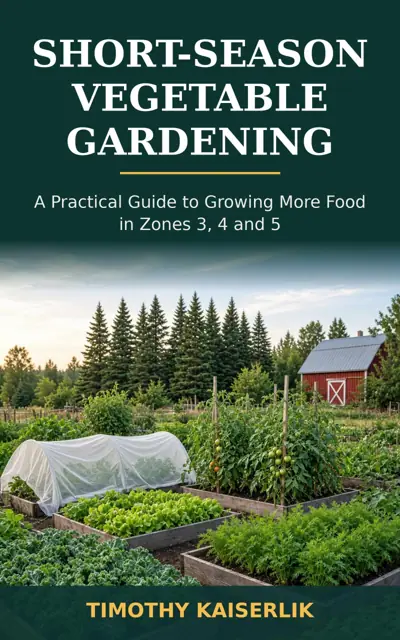
Short-Season Vegetable Gardening
A Practical Guide to Growing More Food in Zones 3, 4 and 5
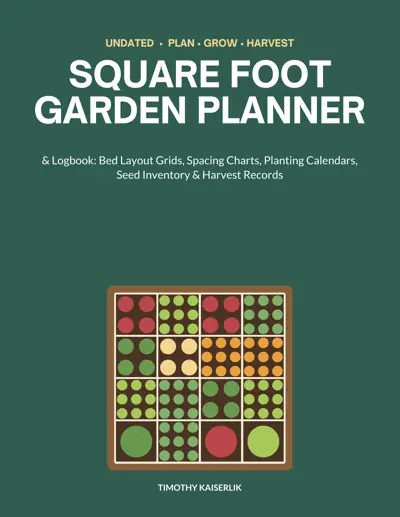
Square Foot Garden Planner & Logbook
An Undated Vegetable Garden Journal with Bed Layout Grids, Spacing Charts, Planting Calendars, Seed Inventory & Harvest Records
Houseplants Through a Northern Winter
Keeping Indoor Plants Healthy from First Frost to Spring Thaw
Further reading
The Year-Round Vegetable Gardener (opens in a new tab) by Niki Jabbour
Season extension, succession planting, and cold-weather crops from a Nova Scotia gardener — a strong fit for short northern seasons.
More like this
Gift Guide
The Zone Garden Encyclopedia, Book 1: A Must-Have Christmas Gift for Northern Gardeners
Why a USDA zone number is not a climate, and why The Zone Garden Encyclopedia, Book 1, is a must-have Christmas gift for zone 3–4 gardeners.
Vegetable Growing
The Best Vegetables for Minnesota Gardens: Cold-Hardy Picks That Actually Produce
The best vegetables for Minnesota gardens: cold-hardy varieties that produce in zone 3b–4a, plus a simple succession planting plan for harvests all season.
Herbs
Growing and Preserving Culinary Herbs: Basil, Cilantro, Dill, and Parsley
How to grow basil, cilantro, dill, and parsley in a northern garden, and how to dry or freeze each herb so your harvest lasts through a Minnesota winter.
Free printable
Get the free Christmas word search
Print a sample of our holiday word search puzzles for family game night, the classroom, or a quiet evening with coffee. Big, easy-to-read puzzles.
Free download, no purchase needed. The checkout page may ask for an email address to deliver the file.