
The Northern Garden Journal · Soil & Beds
Spring Soil Preparation: Testing, Amending, and Raised Beds vs. In-Ground
Good spring soil preparation is the least glamorous and most valuable work you'll do all year — every harvest problem in August starts as a soil decision in April. This guide walks northern gardeners through testing their soil, amending it with the right materials at the right time, and choosing honestly between raised beds and in-ground rows.
In Minnesota there's an extra wrinkle: our soil thaws late, stays cold, and punishes anyone who works it too wet. Patience in April buys you production all season.
First Rule: Don't Work Wet Soil
Before any testing or amending, do the squeeze test. Grab a handful of soil and squeeze it. If it forms a sticky ball that holds together, it's too wet — walk away for a few days. Tilling or digging wet soil destroys its structure and creates clods that bake like bricks in July. If it crumbles apart in your hand, you're clear to work.
Soil in raised beds warms and dries a week or two earlier than in-ground soil — the first real argument in the raised-bed debate below.
Test Before You Guess
Gardeners spend real money on fertilizers their soil doesn't need while missing the one thing it does. A soil test ends the guessing.
How to Get a Useful Soil Test
- Use your state lab. The University of Minnesota Soil Testing Laboratory takes samples by mail for a modest fee and returns pH, organic matter, phosphorus, potassium, and texture, with fertilizer recommendations written for your crop.
- Sample properly. Take 6–8 small cores or slices from across the garden, 6 inches deep, mix them in a clean bucket, and send a cup of the mix. Sample beds and areas separately if they've been managed differently.
- Test every 2–3 years, in fall or early spring, so you have time to act on the results before planting.
- Read pH first. Most vegetables want pH 6.0–7.0. Minnesota soils often run near neutral to alkaline, so sulfur to lower pH is sometimes needed — and adding lime to already-alkaline soil is a common, expensive mistake a test would have prevented. Only add lime or sulfur based on test numbers, and know both change pH slowly, over months.
Spring Soil Checklist
- Squeeze test passed — soil crumbles, not clumps
- Soil test results in hand (or sample mailed)
- Last year's beds cleared of debris and old mulch pulled back so soil can warm
- Compost measured out: 1–2 inches for garden beds
- Amendments bought only after test results — lime, sulfur, or fertilizer as the numbers direct
- Beds shaped and rows planned before the first planting day
Amending: Compost First, Fertilizer Second
Compost is the one amendment that helps every soil. One to two inches worked into the top of the bed each spring feeds soil life, improves drainage in clay, improves water-holding in sand, and adds gentle nutrition. If you only ever add one thing, add compost.
Beyond compost, let the test decide:
- Nitrogen is the nutrient you'll add most years — it doesn't persist in soil. Blood meal, alfalfa meal, or a balanced granular fertilizer at planting covers it.
- Phosphorus and potassium — only as the test directs. Excess phosphorus builds up, wastes money, and washes into waterways.
- Aged manure is excellent if it's truly aged or composted. Fresh manure in spring can burn plants and carry weed seeds; apply fresh manure in fall instead, where our winter gives it time to break down.
- Cover your bare soil. A mulch of straw or shredded leaves after planting holds moisture and keeps soil from crusting — especially valuable on in-ground clay.
Raised Beds vs. In-Ground: The Honest Comparison
Neither is "better." They solve different problems, and plenty of good northern gardens — ours included — use both.
Raised Beds Win When…
- Your native soil is heavy clay or mostly sand. You control the mix from day one instead of amending for years.
- You want an earlier start. Raised soil warms and dries faster in spring — a genuine week or two in Minnesota.
- Drainage is poor. Beds lift roots out of standing water.
- Your back has opinions. Less bending, defined paths, no compaction because you never step in the bed.
The costs are real: lumber or block, buying soil to fill them, and more watering in dry spells because beds drain and dry faster.
In-Ground Wins When…
- You're growing at any scale. Sweet corn, potatoes, squash, and a winter's worth of carrots get expensive in raised beds. Rows are cheap.
- Your soil is already decent. Loam that's been composted a few years doesn't need replacing with a box.
- Water is limited. In-ground soil holds moisture longer in a dry July.
- You rotate crops over big areas. Rotation is simpler with open ground.
A practical northern compromise: raised beds for early greens, herbs, and the crops you pick daily near the house; in-ground rows for corn, potatoes, squash, and storage crops.
If you are planning raised beds in square-foot spacing, the Square Foot Garden Planner spreadsheet and the free Square-Foot Garden Planner are built for that layout. The Square Foot Garden Planner & Logbook is a paper version you can take to the yard.
Closing tip: Whatever you plant in, spend your first spring dollar on a soil test and your second on compost. Fancy fertilizers and new beds come after — soil that's tested and fed with compost will forgive a lot of beginner mistakes, and it keeps getting better every year you treat it right.
From Tim’s bookshelf
Go deeper with a book
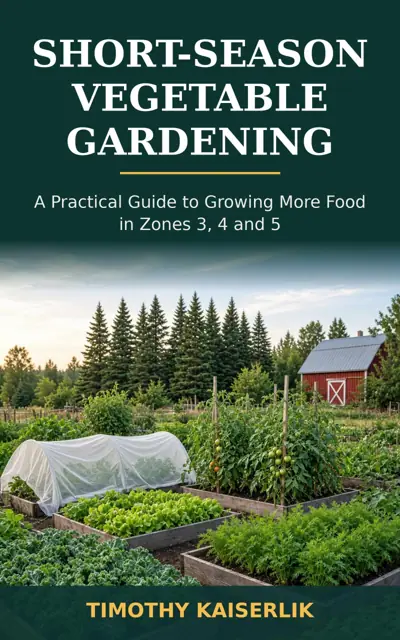
Short-Season Vegetable Gardening
A Practical Guide to Growing More Food in Zones 3, 4 and 5
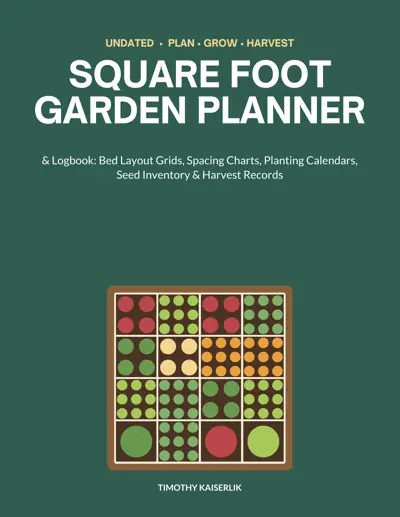
Square Foot Garden Planner & Logbook
An Undated Vegetable Garden Journal with Bed Layout Grids, Spacing Charts, Planting Calendars, Seed Inventory & Harvest Records

Houseplants Through a Northern Winter
Keeping Indoor Plants Healthy from First Frost to Spring Thaw
More like this
Gift Guide
The Zone Garden Encyclopedia, Book 1: A Must-Have Christmas Gift for Northern Gardeners
Why a USDA zone number is not a climate, and why The Zone Garden Encyclopedia, Book 1, is a must-have Christmas gift for zone 3–4 gardeners.
Seed Starting
Starting Seeds Indoors for a Short Northern Season: Timing, Lights, and Hardening Off
Learn when to start seeds indoors in Minnesota, how to set up grow lights, and how to harden off seedlings so they thrive in a short northern season.
Vegetable Growing
The Best Vegetables for Minnesota Gardens: Cold-Hardy Picks That Actually Produce
The best vegetables for Minnesota gardens: cold-hardy varieties that produce in zone 3b–4a, plus a simple succession planting plan for harvests all season.
Free printable
Get the free Christmas word search
Print a sample of our holiday word search puzzles for family game night, the classroom, or a quiet evening with coffee. Big, easy-to-read puzzles.
Free download, no purchase needed. The checkout page may ask for an email address to deliver the file.