
The Northern Garden Journal · Herbs
Growing and Preserving Culinary Herbs: Basil, Cilantro, Dill, and Parsley
Growing culinary herbs is the highest-value square footage in a northern garden — a few plants of basil, cilantro, dill, and parsley will season a whole summer of cooking, if you know their habits. This guide covers how to grow each one in our short season, and how to dry or freeze the harvest so you're still cooking with your own herbs in February.
The four herbs below split into two camps: basil, which loves heat and hates cold more than any plant you own, and cilantro, dill, and parsley, which prefer it cool and will forgive our spring and fall weather.
Basil: The Heat-Lover
Basil is a tropical plant pretending to be a garden herb. It blackens and sulks below 50°F, so treat it like a pepper, not a parsley.
- Start indoors 6 weeks before transplanting, or buy starts. Transplant out only after nights are reliably above 50°F — usually early June here.
- Pinch relentlessly. Every week, pinch each stem just above a pair of leaves. The plant branches into a bush instead of a single stalk racing to flower. Once basil flowers, leaf production slows and flavor turns bitter.
- Harvest in the morning after the dew dries, when oils are strongest. Never take more than a third of the plant at once unless frost is coming.
Cilantro: Sow It Often, Keep It Cool
Cilantro's one trick is that it bolts — flowers and goes to seed — the moment weather warms. You cannot prevent it, so work around it.
- Direct-sow every 2–3 weeks from May through August. Small, frequent sowings mean fresh leaves all season instead of one big crop that bolts in June.
- Give it afternoon shade in midsummer if you can; it buys you an extra week or two per sowing.
- Let one planting go to seed. The seed is coriander — dry it and grind it — and cilantro also self-sows readily if you let it.
Dill: The Self-Sufficient One
Dill direct-sows easily in May, grows fast, and reseeds itself so reliably that your real job is deciding where it's allowed to live.
- Sow in place — dill has a taproot and transplants poorly.
- Succession-sow every 3–4 weeks if you want fresh fronds for pickling season in late July and August, when the cucumbers arrive.
- Save the seed heads. Let a few heads dry on the plant for next year's seed and this year's dill seed for the spice jar.
Parsley: Slow to Start, Hard to Kill
Parsley seed is famously slow to germinate — two to four weeks is normal.
- Start indoors 10–12 weeks before transplanting out (mid-to-late February to March), and soak the seed overnight before sowing to speed things along.
- Flat-leaf (Italian) parsley has the better flavor for cooking; curly types are pretty and sturdy.
- It's a biennial — parsley often survives a Minnesota winter under mulch and gives you early spring leaves before it flowers and finishes in its second year.
Preserving the Harvest: Dry It or Freeze It?
The right method depends on the herb. Tender, high-moisture herbs lose almost everything when dried. Sturdier herbs dry well. Here's the honest split:
Herb Preservation Checklist
- Basil — freeze it. Dried basil is a shadow of itself. Blend leaves with a little olive oil, freeze in ice cube trays, and pop the cubes into a bag. Or freeze whole leaves flat on a tray, then bag them.
- Cilantro — freeze it. Same oil-cube method, or chopped in a little water in trays. Dried cilantro has almost no flavor.
- Dill — both work. Fronds freeze well chopped in trays; seed heads dry perfectly. Hang seed heads upside down in a paper bag to catch the seed as it drops.
- Parsley — both work. It dries better than basil or cilantro, but freezing keeps the color and flavor brighter. Flat leaves freeze well in bags with the air pressed out.
Drying Basics (for the herbs that suit it)
Cut stems in the morning, rinse only if dirty, and dry them out of direct sun with good airflow — a bunch hung in a warm, dry room, or a dehydrator on its lowest setting (95–105°F). Leaves are done when they crumble, not bend. Store in sealed jars in a dark cupboard and use within the year.
Freezing Basics
Wash, dry thoroughly (a salad spinner earns its keep here), chop, and freeze in trays or flat in bags so you can break off what you need. Frozen herbs go straight into cooked dishes — soups, sauces, eggs — not into salads.
Closing tip: In late August, before the first frost warnings start, do one big basil and parsley harvest and fill your trays. Twenty minutes of freezing in August is a winter of pesto, soup, and sauce that tastes like your garden instead of a grocery store jar.
If you want a printed place to keep the pesto, soup, and sauce recipes those frozen herbs go into, the Recipe Binder Kit is in the shop.
From Tim’s bookshelf
Go deeper with a book
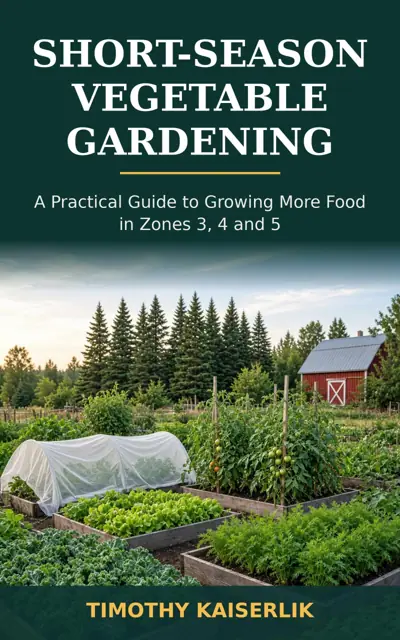
Short-Season Vegetable Gardening
A Practical Guide to Growing More Food in Zones 3, 4 and 5
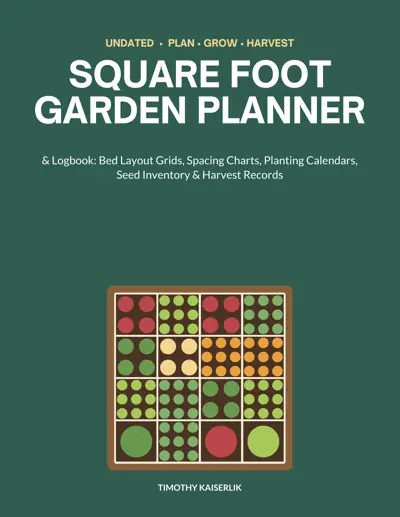
Square Foot Garden Planner & Logbook
An Undated Vegetable Garden Journal with Bed Layout Grids, Spacing Charts, Planting Calendars, Seed Inventory & Harvest Records
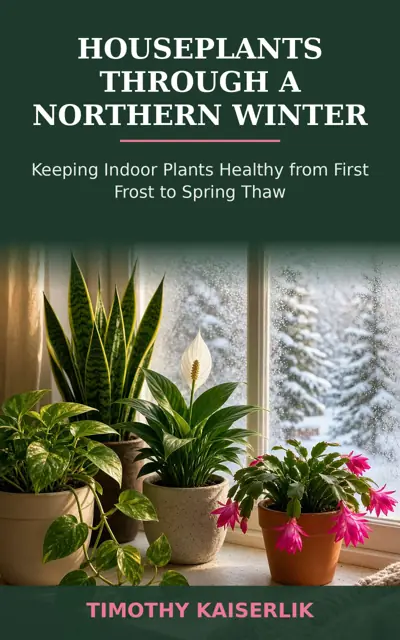
Houseplants Through a Northern Winter
Keeping Indoor Plants Healthy from First Frost to Spring Thaw
More like this
Gift Guide
The Zone Garden Encyclopedia, Book 1: A Must-Have Christmas Gift for Northern Gardeners
Why a USDA zone number is not a climate, and why The Zone Garden Encyclopedia, Book 1, is a must-have Christmas gift for zone 3–4 gardeners.
Seed Starting
Starting Seeds Indoors for a Short Northern Season: Timing, Lights, and Hardening Off
Learn when to start seeds indoors in Minnesota, how to set up grow lights, and how to harden off seedlings so they thrive in a short northern season.
Vegetable Growing
The Best Vegetables for Minnesota Gardens: Cold-Hardy Picks That Actually Produce
The best vegetables for Minnesota gardens: cold-hardy varieties that produce in zone 3b–4a, plus a simple succession planting plan for harvests all season.
Free printable
Get the free Christmas word search
Print a sample of our holiday word search puzzles for family game night, the classroom, or a quiet evening with coffee. Big, easy-to-read puzzles.
Free download, no purchase needed. The checkout page may ask for an email address to deliver the file.