
The Perennial Patch · Seasonal Care
Fall Care and Winterizing Perennial Beds in Minnesota: What to Cut, What to Leave, When to Mulch
Every fall, Minnesota gardeners ask the same two questions: Should I cut everything down, or leave it standing? And when do I mulch? Get those right and most hardy perennials come through winter fine — even a zone 3 winter.
This guide is for zones 3b to 4a gardeners who want a practical fall routine: what to cut, what to leave for the birds and the plants themselves, how to use mulch the way it actually works up north, and extra protection for the borderline plants you are pushing a zone too far.
First, Understand What Actually Kills Perennials in Winter
It is rarely the coldest night. It is the freeze-thaw cycle — a February thaw followed by a hard refreeze — that heaves crowns out of the ground and tears fine roots. Add no snow cover, drying wind, and hungry voles, and you have the real list of enemies.
Winterizing is mostly about keeping soil temperature steady and removing diseased material that would carry problems into spring. Timing beats thickness every time.
Cut Back or Leave Standing? Plant by Plant
Cut Back in Fall
Cut these to 2-3 inches once foliage has yellowed or been killed by frost, and clean the debris out of the bed:
- Peony — Always cut in fall. Peony foliage carries botrytis and other fungal disease over winter. This one is non-negotiable. Bag or burn diseased foliage; don't compost it.
- Bearded iris — Trim fans to 4-6 inches and remove dead leaves. Iris borer eggs overwinter on old foliage.
- Hosta — Once frost turns leaves to mush, clean them up. Old hosta leaves shelter slug eggs all winter.
- Phlox, bee balm, and anything that had powdery mildew — Diseased foliage goes. Clean-up is your cheapest disease control.
- Daylily — Optional, but pulling the dead, soggy foliage in fall makes spring clean-up half the job.
Leave Standing Until Spring
- Echinacea and rudbeckia — Seed heads feed goldfinches and juncos all winter, and the stems catch snow right where the crown needs it.
- Ornamental grasses — The foliage insulates the crown and looks better than a bare bed in January. Cut to 4-6 inches in spring before new growth starts. This is especially important for warm-season grasses in Minnesota.
- Sedum ('Autumn Joy' types) — Upright seed heads hold snow and winter shape. Cut down in early spring.
- Russian sage, lavender, and other subshrubs — Do not cut hard in fall in cold zones. Wait until buds swell in spring, then prune to live wood. Fall pruning invites winter dieback.
- Heuchera and other evergreen-ish perennials — Leave the foliage. It protects the crown. Just press any heaved plants back into the soil in spring and mulch around them.
A good compromise for a tidy yard: cut the front beds clean, leave the back beds standing for wildlife. The birds will vote for the back beds.
Mulching: After the Ground Freezes, Not Before
This is the most misunderstood job in northern gardening. Winter mulch is not a blanket to keep plants warm. It is a shade cloth to keep frozen ground frozen.
The Mulching Rules That Work in Zones 3-4
- Wait until the ground has frozen and stayed cold — often late November into December in Minnesota, after several nights in the teens. Mulching warm soil in October invites voles and mice to move into a cozy, unfrozen hotel, and it can delay dormancy.
- Apply 3-4 inches of loose, airy material: clean straw, marsh hay, shredded leaves, or evergreen boughs (old Christmas trees are perfect). Avoid whole leaves that mat into a wet slab, and avoid heavy wet mulch packed against crowns.
- Keep mulch off the crowns themselves. Tuck it around plants, not over their centers, especially for echinacea, heuchera, and iris, which rot under a wet cap.
- New plantings and fall divisions get mulch first. Anything planted this year has shallow roots and heaves easily. These are your priority if straw is limited.
- Remove mulch gradually in spring as soil thaws — pull it back in stages on cloudy days rather than stripping it all on the first warm Saturday. Late frosts are guaranteed here; the mulch is your insurance.
Fall Winterizing Checklist
- Stop fertilizing by late summer — no nitrogen after August 1 in northern Minnesota
- Keep watering during a dry fall until the ground freezes; roots go into winter hydrated
- Cut back peony, iris, hosta, and any diseased foliage; haul it out of the bed
- Leave echinacea, grasses, and sedum standing for birds, snow catch, and crown protection
- Divide and transplant for the last time by early-to-mid September — then stop digging
- Empty, drain, and store hoses and rain barrels before hard freeze
- Apply 3-4 inches of winter mulch AFTER the ground freezes
- Wrap or cage young shrubs and borderline plants (see below)
- Note what struggled this year in a garden notebook while you still remember
If you want a dedicated garden journal for those notes and for next year’s bed layouts, the Square Foot Garden Planner & Logbook is set up for that kind of season-to-season record.
Extra Protection for Borderline Plants
Every northern gardener pushes a zone somewhere — a zone 5 rose, a fig experiment, a tender salvia you refuse to give up on. Give those plants a fighting chance:
- Site is the first protection. South-facing walls and spots with reliable snow cover are worth a full zone. The windy northwest corner of an open field is worth minus one.
- Mulch deeper, after freeze: 6-8 inches of straw for borderline crowns, held in place with evergreen boughs or a wire cage so wind doesn't strip it.
- Use a rose collar or a bottomless bucket filled with dry leaves around tender crowns. Dry is the key word — wet leaves packed tight will rot what you are trying to save.
- Burlap wind screens on stakes protect broadleaf evergreens and young bushes from drying wind and sun-scald better than wrapping the plant itself.
- Anti-vole insurance: Keep mulch a few inches away from woody stems and tree trunks, and use hardware-cloth guards on young fruit trees and bushes. Voles girdle more homestead plantings under snow than cold ever kills.
Accept that a borderline plant is an experiment. If it makes it, you learned something about your microclimate. If it doesn't, the space goes to a proven zone 3 plant next spring.
One Last Fall Job: Feed the Soil, Not the Plants
Spread an inch of compost over the beds in fall after clean-up, under the winter mulch. Earthworms and freeze-thaw work it in by spring — the easiest soil improvement a northern gardener can make.
Tim's closing tip: Walk your beds once in mid-winter, on a calm day, and just look. Note where the snow sits deep and where the wind scours it bare. That map tells you more about where your borderline plants will survive — and where your toughest hostas should go — than any zone map ever printed. Plant to your snow, not just your zone.
From Tim’s bookshelf
Go deeper with a book
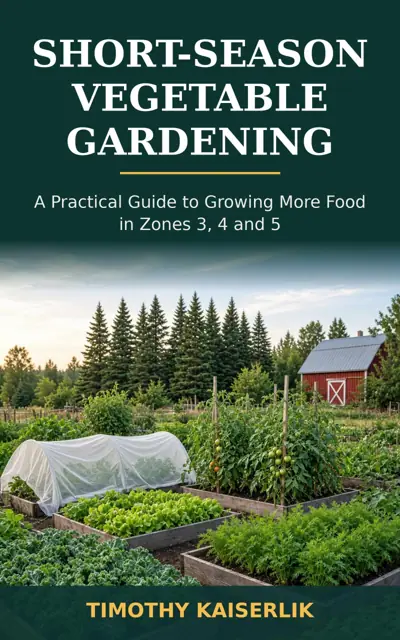
Short-Season Vegetable Gardening
A Practical Guide to Growing More Food in Zones 3, 4 and 5
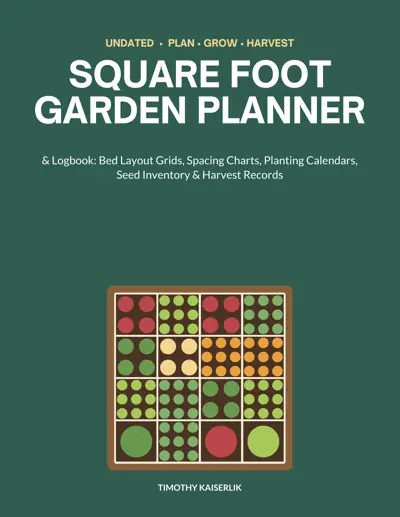
Square Foot Garden Planner & Logbook
An Undated Vegetable Garden Journal with Bed Layout Grids, Spacing Charts, Planting Calendars, Seed Inventory & Harvest Records
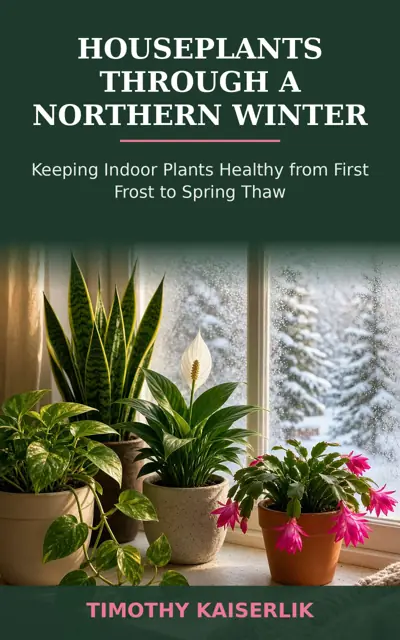
Houseplants Through a Northern Winter
Keeping Indoor Plants Healthy from First Frost to Spring Thaw
More like this
Plant Guides
Best Cold-Hardy Perennials for Minnesota Gardens: Zone 3-4 Plants That Come Back Every Year
Cold-hardy perennials that survive Minnesota winters in zones 3 and 4 — hosta, daylily, peony, Siberian iris and echinacea with bloom times and care tips.
Edible Perennials
Edible Perennials for the Northern Homestead: Plant Once, Harvest for Years
Edible perennials for cold climates — asparagus, rhubarb, chives, sorrel and berry bushes that survive zone 3-4 winters and produce for years.
Garden Skills
Dividing Perennials: When and How to Split Plants Without Killing Them
When and how to divide perennials in Minnesota — spring vs fall timing by plant type, step-by-step splitting, and replanting tips for zone 3-4 gardens.
Free printable
Get the free Christmas word search
Print a sample of our holiday word search puzzles for family game night, the classroom, or a quiet evening with coffee. Big, easy-to-read puzzles.
Free download, no purchase needed. The checkout page may ask for an email address to deliver the file.